
Wembury On This Day — 13 October 1894
A Junior Soldiers’ outing from Plympton
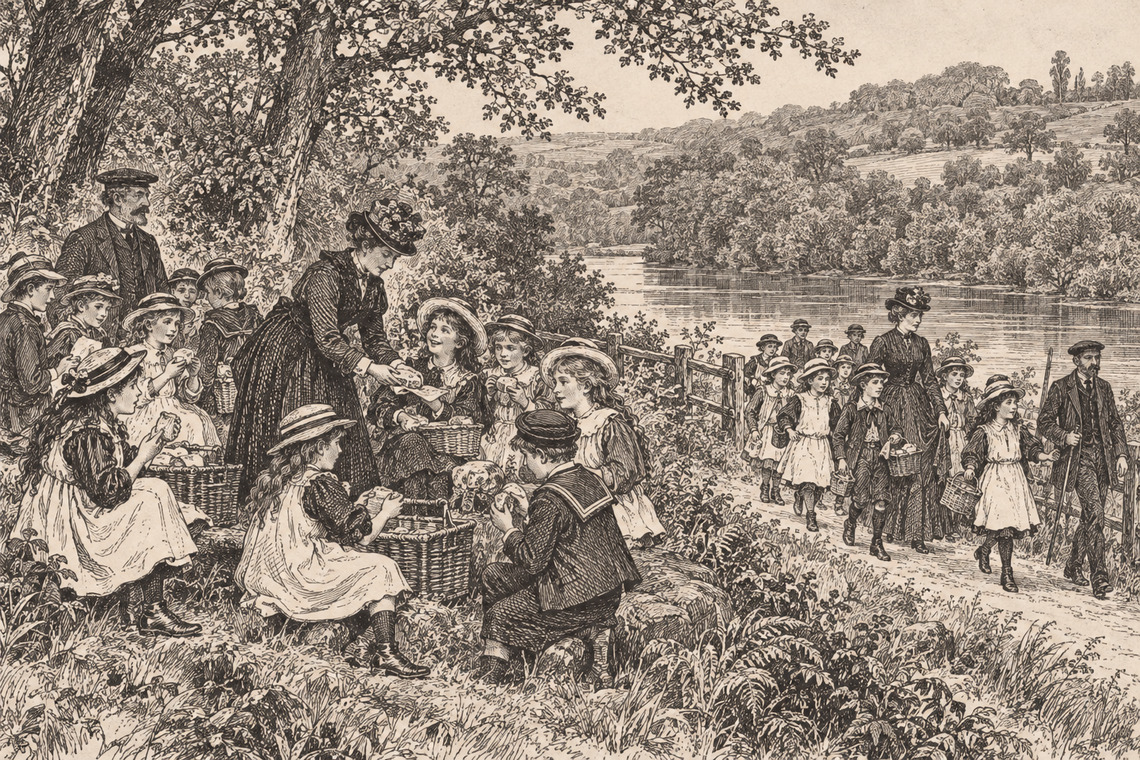
In October 1894, the children’s magazine Young Soldier published a charmingly illustrated account of a Junior Soldiers’ outing from Plympton to Wembury.
The piece is not a formal excursion report with a timetable and list of names. It is written as a little conversational travel sketch: the writer is challenged to make “a day’s picture”, but protests that he is no painter. Wembury, however, proves too inviting a subject to resist. The result is a warm, idealised account of young people setting out from Plympton for a day in the South Devon countryside.
That word “Soldiers” needs a little explanation. These were not children connected with the British Army. The term belonged to the Salvation Army’s youth work: children encouraged to see themselves as part of a disciplined but cheerful Christian community. Its magazines mixed moral instruction, Bible stories, games, songs, reports from local groups and outings like this one. A day at Wembury was therefore both a treat and part of the group’s shared life.
For children living in or near Plympton, Wembury represented a genuine change of scene. In 1894 there were no family cars, no school coaches and no casually packed picnic lunches bought on the way. A trip like this needed organisation, adult supervision, food carried in baskets and enough planning to get a party of children there and home again safely. That alone made the expedition memorable.
The illustrations tell the story especially well. One shows the children gathered around their leaders as the picnic baskets are opened. Another is captioned with the exuberant phrase that the contents were thrown “right and left”: an image of the treats being shared out, probably amid rather more excitement than orderly queueing. The final vignette shows the group returning home beside a river, tired but evidently content after their day out.
The account also shows how Wembury was being presented beyond the parish. It was not simply a distant coastal village, but a place of countryside, water, paths and fresh air — somewhere a town-based children’s group could visit for a day of harmless adventure. The writer’s slightly playful tone matters too: Wembury is treated as scenery worthy of a picture, even if the author claims not to be able to paint it.
There is something rather lovely in that. Long before Wembury became a familiar destination for day-trippers with cars and beach gear, a group of children from Plympton came out with their leaders, their baskets and their best hats, shared a picnic, and walked home along the riverside with a story worth printing in their magazine.
On This Day in Wembury – 13 October 1941
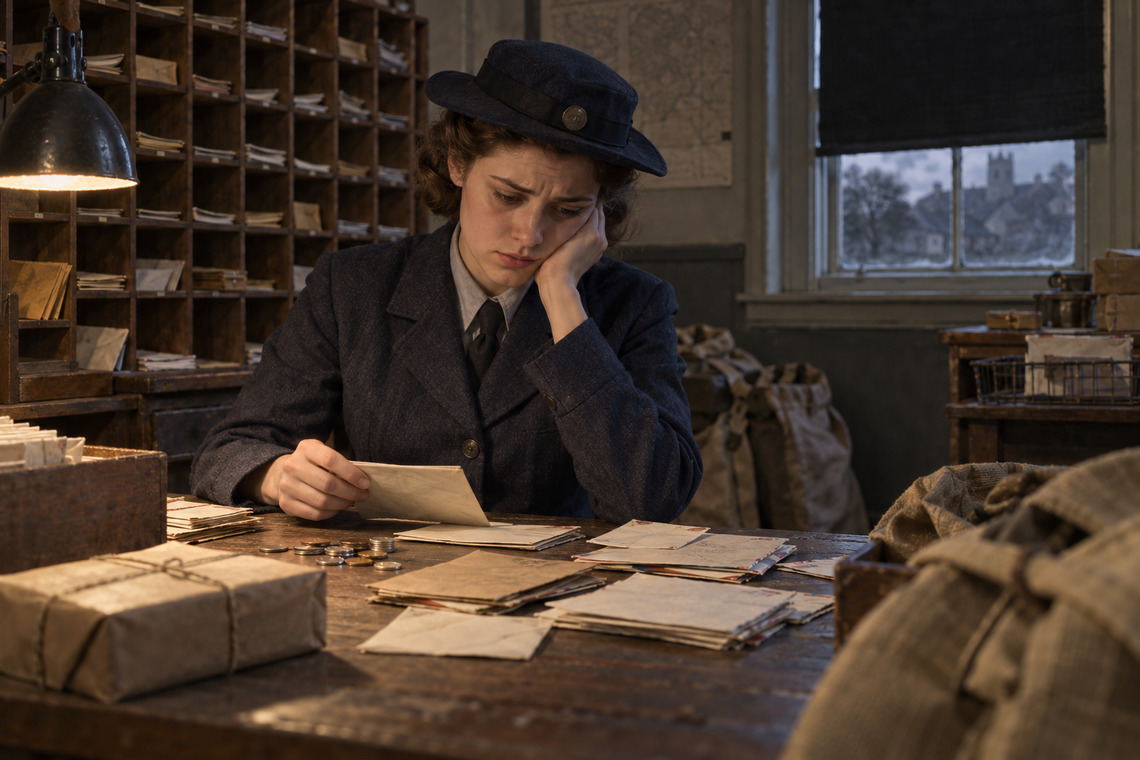
At Plympton magistrates, Betty Barrick, a 19-year-old postgirl from Wembury, was dealt with for stealing from postal packets while working part-time at the village sub-office.
Paid just 12s 8d a week, Barrick admitted to opening letters while on delivery. In one case she took a 10s postal order, cashed it at Wembury Post Office, and spent the money in Plymouth. She also confessed to taking a 10s banknote from a registered letter. When questioned by Post Office investigators she said, “I am sorry I have been so foolish.”
Her mother told the court that Betty “had not a very happy home life.” The case was heard against the background of wartime disruption, with the young woman due to leave that very day to join the W.A.A.F.
The magistrates bound her over for a year rather than impose a harsher sentence, taking into account both her age and the mitigating circumstances.
Source: Western Morning News, 14 Oct 1941.
Entries are summaries and interpretations of historical newspaper reports.