
On This Day in Wembury
16 November 1906 — Housebreaking at Bay View Cottage
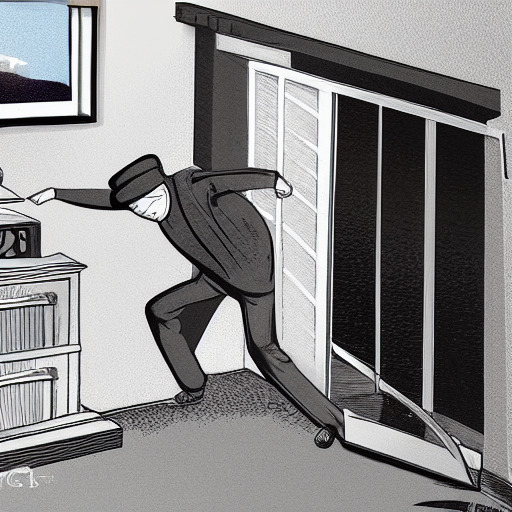
On this day the Western Morning News reported the trial of Alfred Rogers (31) and George Marshall (34), both labourers, who pleaded guilty to breaking into Bay View Cottage, Wembury, on 8 November and stealing a large quantity of household articles. The cottage belonged to Benjamin Sansom, gamekeeper to Mr. Cory of Langdon Court, and was usually let to visitors in the summer but stood empty that autumn.
A third man, John Bayliss (36), hawker, pleaded not guilty to receiving stolen goods, but the court heard how he had sold items in Plymouth claiming they came from a Wembury sale — though no such sale had taken place. When police searched his home, more of the missing property was discovered.
The jury convicted Bayliss, while Rogers and Marshall admitted previous felony convictions. Sentences were heavy: Rogers, three years’ penal servitude; Marshall, nine months’ imprisonment; Bayliss, three months’ imprisonment.
The value of the stolen goods was considerable for the time — including domestic items that would have been significant for a holiday let. The case underlines both the vulnerability of unoccupied coastal cottages and the severe punishments imposed on repeat offenders in Edwardian Devon.
Source: Western Morning News, 16 November 1906.
On This Day in Wembury — 16 November 1989
Wembury backs a successful cut-price bus scheme
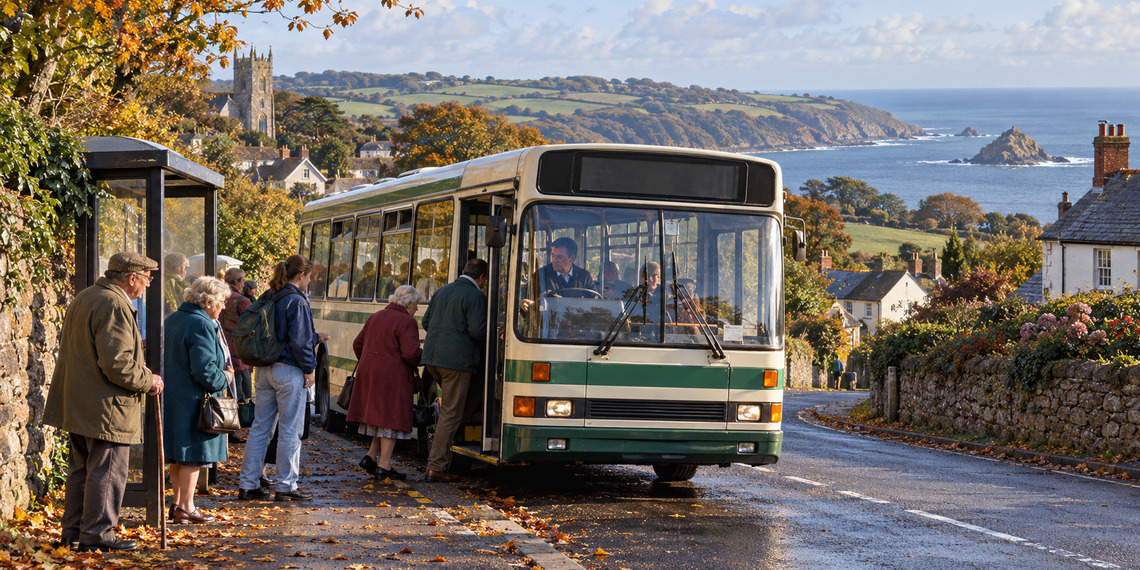
On 16 November 1989, the Evening Herald reported that a Devon-wide scheme offering cheaper bus travel had become a major success, with more than 30,000 people already taking advantage of it.
The scheme, called Countrywide, had been launched by Devon County Council the previous July. Local parish councils could contribute towards the cost of an annual pass, reducing the amount paid by eligible residents.
And Wembury Parish Council was increasing its contribution substantially.
From the following April, Wembury’s subsidy towards each pass was to rise from £4 to £12 — three times the previous amount.
The passes were intended to help people for whom affordable public transport could make a particularly important difference. Those eligible included pensioners, students aged 16 to 18, disabled people and people unable to drive for medical reasons.
Wembury’s decision was particularly relevant in a village lying several miles outside Plymouth. For residents without a car, the bus was an important connection with the city for shopping, appointments, work and education.
The importance of subsidised bus services to communities around Wembury has continued long after the Countrywide scheme disappeared. Devon County Council still financially supports rural routes which would otherwise be unlikely to operate commercially; in more recent years this has included services linking Wembury, Heybrook Bay and Plymouth.
The newspaper also gives a useful indication of how much local councils were prepared to put into the scheme. Elsewhere in South Devon, Staverton, Peter Tavy and Stoke Gabriel were reported as contributing £6 towards a pass, while Wembury’s new £12 contribution placed it among the more generous participating parishes.
It is easy now to think of concessionary bus travel as something provided nationally, but in 1989 arrangements could depend considerably upon where you lived and how much your local council was prepared to contribute.
For Wembury residents eligible for the Countrywide pass, that decision to increase the subsidy from £4 to £12 was therefore more than a small item in the parish accounts.
It meant that getting into Plymouth — and getting home again — became a little more affordable.
Source: Evening Herald, Thursday 16 November 1989.
Entries are summaries and interpretations of historical newspaper reports.