
On This Day in Wembury — 19 November 1883
The railway that might have run through Wembury
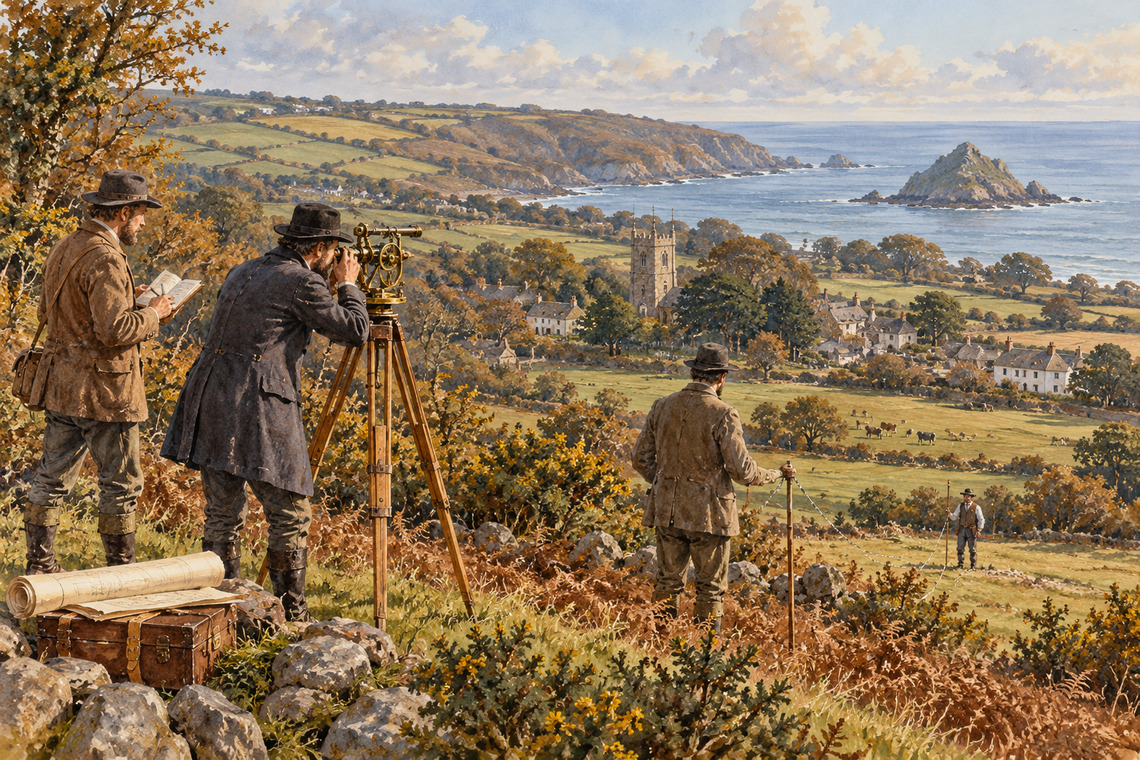
On 19 November 1883, the Western Morning News reported plans by the Plymouth and Dartmoor Railway Company for a new railway through the South Hams — and Wembury was on the proposed route.
The company intended to seek Parliamentary powers for a line running through a long chain of parishes including Plympton, Brixton, Wembury, Newton Ferrers, Yealmpton, Holbeton, Ermington, Ivybridge, Kingston and Ugborough, before terminating at Modbury.
For Wembury, this was a striking proposal. In 1883 the parish was still overwhelmingly rural, with scattered farms, hamlets and lanes. A railway passing through it could have transformed access to Plymouth decades before the spread of motor traffic.
The scheme formed part of a much larger period of railway expansion around Plymouth. The Plymouth and Dartmoor Railway had begun life much earlier as a horse-worked tramroad connecting Plymouth with Dartmoor, but by the 1880s the company was involved in ambitious new railway proposals backed by the London and South Western Railway. oldplymouth.uk
Only months before this report, Parliament had authorised works connected with the line towards Turnchapel. On 30 November 1883, formal plans were deposited for a further South Hams extension towards Modbury.
The proposal was subsequently altered. Later plans concentrated on a railway from the Plymouth direction towards Yealmpton, and Parliamentary authority for the South Hams extension was obtained in 1888. assets.parliament.uk
Part of that wider scheme was eventually built. The railway crossed the River Plym and reached Plymstock, while the later branch through the South Hams ultimately extended to Yealmpton. Wembury itself, however, never acquired the railway that appeared possible in this 1883 announcement.
Had the original line been carried through the parish, Wembury’s later development might have been very different. A station or halt could have placed the village within easy reach of Plymouth before the age of widespread car ownership, potentially accelerating both housing and tourism.
Instead, Wembury entered the twentieth century still dependent largely upon its roads and lanes.
This little newspaper notice therefore records one of those intriguing moments when the future of the village might have taken a completely different course.
For a brief period in November 1883, Wembury was on the railway map — at least on paper.
Source: Western Morning News, Monday 19 November 1883.
On This Day in Wembury
19 November 1941 — Spare Wheel Lost En Route to Wembury Point
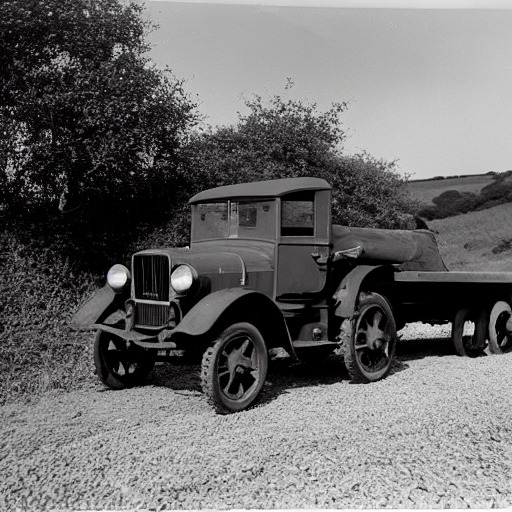
On this day the Western Morning News carried a small notice appealing for the return of a spare wheel from a 3-ton Chevrolet lorry. The wheel, size 7.50, had been lost while the vehicle travelled from Dousland to Wembury Point via Mutley Plain on 4 November. Replies were asked for under reference “W 21” to the newspaper’s Plymouth office.
The destination is significant: Wembury Point was then home to the newly established HMS Cambridge gunnery school, a military installation critical to wartime training. Chevrolet 3-ton lorries were standard issue for troop and supply transport. In the blackout and on rough, heavily used roads, spares mounted under or behind vehicles often worked loose. Given wartime shortages of rubber and metal, every wheel and tyre was precious — which explains why even a lost spare was reported in the press, in hopes of recovery.
The notice is a reminder of the constant military traffic through Wembury during the Second World War, and of the strict need to conserve equipment when imports were threatened by U-boat blockades.
Source: Western Morning News, 19 November 1941.
Entries are summaries and interpretations of historical newspaper reports.